FPL Launches Its Largest Battery Energy Storage System

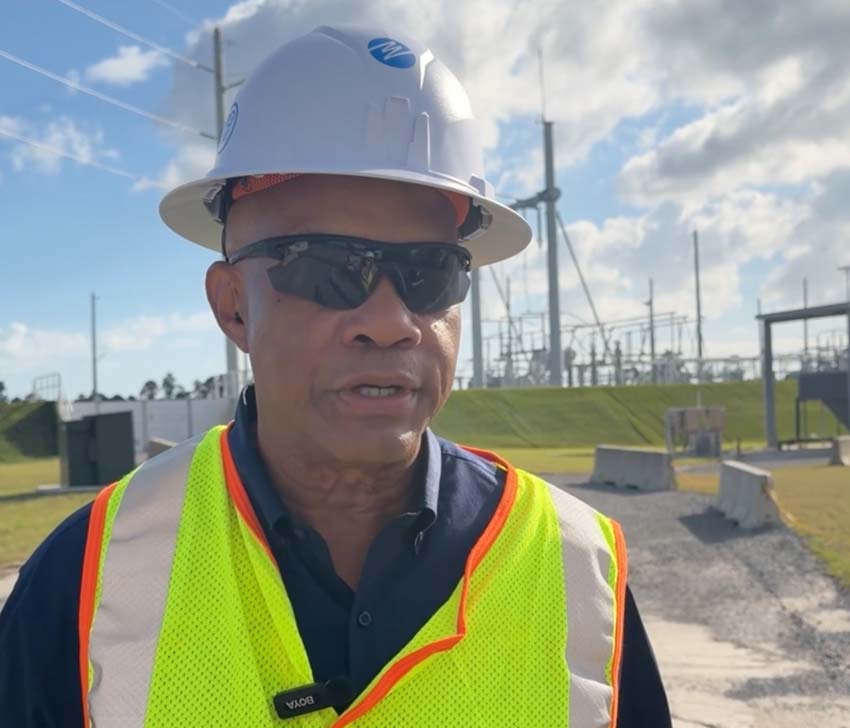
The new Lansing Smith facility in Northwest Florida can supply enough electricity to power approximately 300,000 homes for four hours, strengthening grid reliability and supporting growing energy demands.
Florida Power & Light Company (FPL) has announced the commissioning of the Lansing Smith Battery Energy Storage System in Bay County, marking a major milestone in the company’s efforts to modernize Florida’s electric infrastructure.
The facility is now FPL’s largest battery energy storage project by energy capacity, designed to strengthen grid reliability, meet growing electricity demand, and help keep customer bills as low as possible.
Enough Energy to Power 300,000 Homes
The Lansing Smith facility can store 1,600 megawatt-hours (MWh) of electricity and deliver up to 400 megawatts (MW) of power for four consecutive hours.
According to FPL, that capacity is enough to supply electricity to approximately 300,000 homes during a four-hour period.
The system uses lithium-ion batteries, similar to those found in smartphones and laptop computers, but engineered to store and distribute electricity on a much larger scale.
This technology allows electricity to be stored when generation costs are lower and released into the grid during periods of peak customer demand.
Transforming a Former Coal Storage Site
One of the project’s most notable features is its location. Lansing Smith was developed on land previously used for coal storage, transforming part of a traditional energy site into a modern battery storage facility.
Repurposing existing infrastructure helps support Florida’s expanding electricity needs while making productive use of previously developed land.
Tim Oliver, FPL’s vice president of development, emphasized that investments in advanced battery storage technology strengthen grid resilience and support the company’s commitment to reliable, affordable electricity.

Strengthening Grid Reliability and Energy Efficiency
Battery storage complements FPL’s diverse energy portfolio, including solar power, nuclear energy, and highly efficient natural gas generation.
By making stored electricity available during periods of high demand, the company can operate its grid more efficiently, increase flexibility, and reduce the need for additional fuel-based electricity generation.
With Lansing Smith now operational, FPL’s total battery energy storage capacity has reached nearly 2 gigawatts (GW) across its system.
J.T. Young, vice president and general manager of FPL Northwest Florida, highlighted the importance of preparing the electric grid to meet customers’ energy needs today and in the future.
The project also represents a significant investment in Northwest Florida’s energy infrastructure, supporting continued economic development, population growth, and long-term electric service reliability.