
Mammograms Could Also Reveal Heart Disease Risks

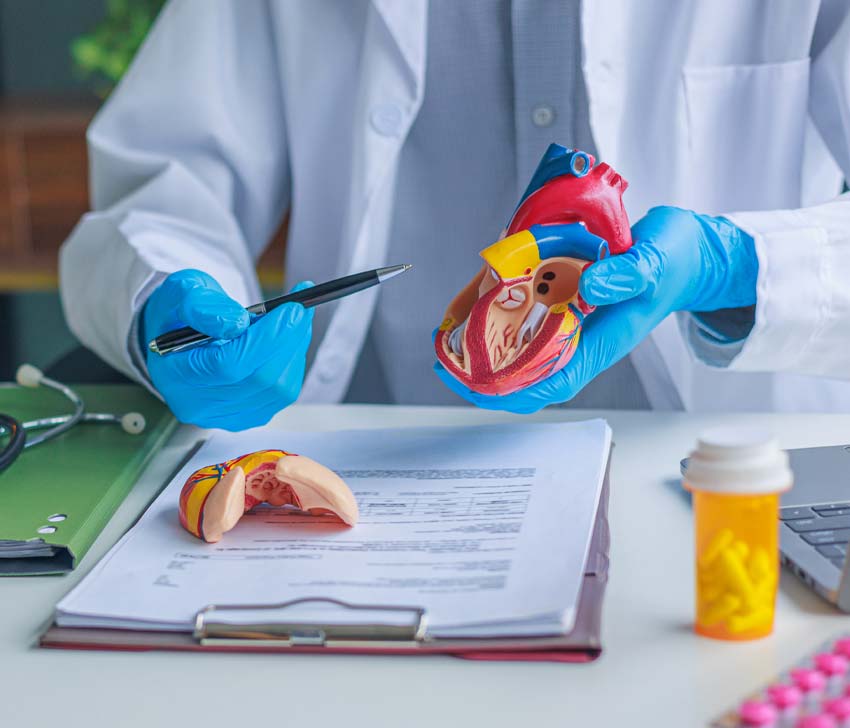
A Mount Sinai study reveals that routine mammograms could help identify cardiovascular risk factors and support the early detection of heart disease in women.
Mammograms are essential for the early detection of breast cancer, but they may also provide valuable information about heart health.
Research conducted by Mount Sinai Health System opens new possibilities for cardiovascular prevention, a finding particularly relevant to women in Miami-Dade, Broward, and other South Florida communities who regularly undergo these screenings.
The study focused on breast arterial calcification (BAC), a buildup of calcium in the arteries of the breast that can be detected during mammograms and may be associated with an increased risk of cardiovascular disease.
An Opportunity to Detect Heart Disease
The study included 277 women whose mammograms showed breast arterial calcification and who had no history of major adverse cardiac events.
Participants were randomly divided into two groups. One received a standard mammography results letter, while the other received additional information about arterial calcification and a recommendation to consult a cardiologist or primary care provider.
Within six months, 35.3% of women who received the additional information consulted a healthcare provider, compared with 13.5% of those who received the standard notification.
Researchers also identified 11 previously undiagnosed cases of coronary artery disease in the first group, compared with just one case in the second.
A Warning Sign That Should Not Be Overlooked
According to researchers, breast arterial calcification appears in approximately one in eight screening mammograms.Identifying this finding in existing mammogram images requires no additional radiation, imaging time, or separate appointments.
More than 40 million women undergo screening mammograms annually in the United States. Researchers estimate that more than five million could have breast arterial calcification.
However, the presence of breast arterial calcification alone does not confirm a diagnosis of coronary artery disease.

What Should Women Do?
For women across South Florida, these findings highlight the importance of maintaining regular preventive screenings and discussing cardiovascular health with their healthcare providers.
During their next mammogram, women can ask whether their images show breast arterial calcification and whether further cardiovascular evaluation would be appropriate.
Heart disease remains the leading cause of death among women in the United States, making prevention and early detection particularly important.
Although the preliminary findings are encouraging, the study does not establish that these notifications can prevent heart attacks or other cardiovascular events.
Nevertheless, sharing this information with patients could provide a valuable opportunity to identify potential risks, encourage timely medical consultations, and detect previously undiagnosed cardiovascular disease.