May: A Critical Reminder About Skin Cancer Risks in Florida

Each May marks Skin Cancer Awareness Month, a key time to reflect on one of the most common cancers worldwide—and a particularly serious concern in states like Florida, where sun exposure is a year-round reality.
Skin cancer develops when skin cells begin to grow abnormally. The most common types include basal cell carcinoma and squamous cell carcinoma, which affect the outer layers of the skin, as well as melanoma, the most aggressive form due to its ability to spread rapidly to other parts of the body.
In Florida, the risk is significantly higher due to intense ultraviolet (UV) radiation and a lifestyle centered around outdoor activities. Beaches, sports, outdoor work, and recreational events all contribute to prolonged sun exposure, often without adequate protection.
According to specialists from the Johns Hopkins Department of Dermatology, UV radiation—whether from the sun or artificial sources like tanning beds—is one of the leading risk factors for developing skin cancer.
Although skin cancer can affect anyone regardless of age or skin tone, individuals with less melanin are at higher risk. However, a common misconception among people with darker skin tones can lead to delayed diagnosis and treatment, increasing the danger.

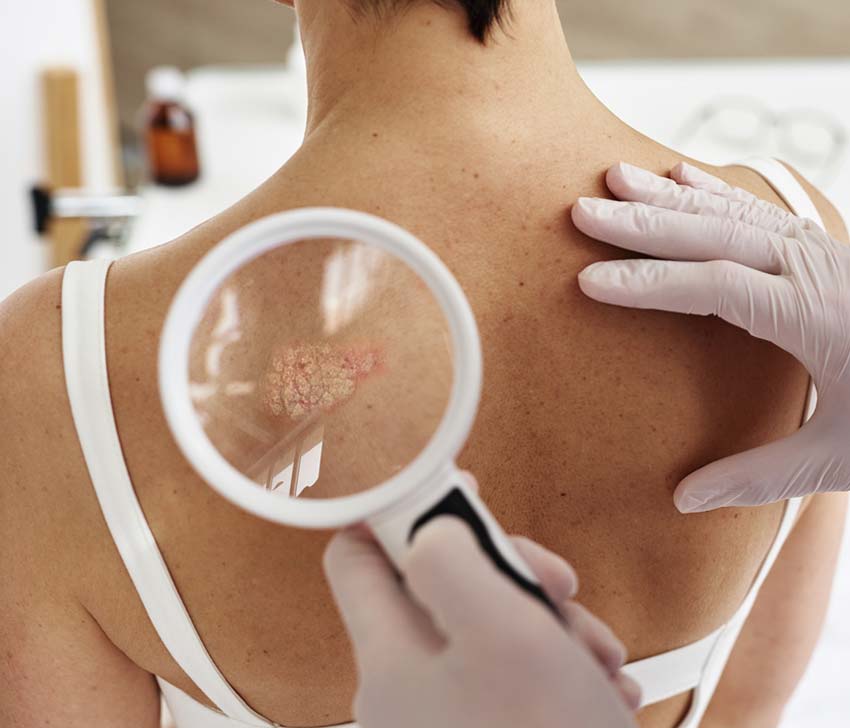
The encouraging news is that skin cancer is often preventable and highly treatable when detected early. Experts recommend limiting direct sun exposure, especially between 10 a.m. and 4 p.m., using broad-spectrum sunscreen daily—even on cloudy days—and avoiding tanning beds. Regular skin checks by a medical professional, along with self-examinations, can make a life-saving difference.
In a state like Florida, where sunshine is part of everyday life, awareness and prevention are not optional—they are essential. Skin Cancer Awareness Month serves as a timely reminder that enjoying the sun should always go hand in hand with protecting your health.