
Foreclosures Rise in Florida: Signs of Pressure in the Housing Market

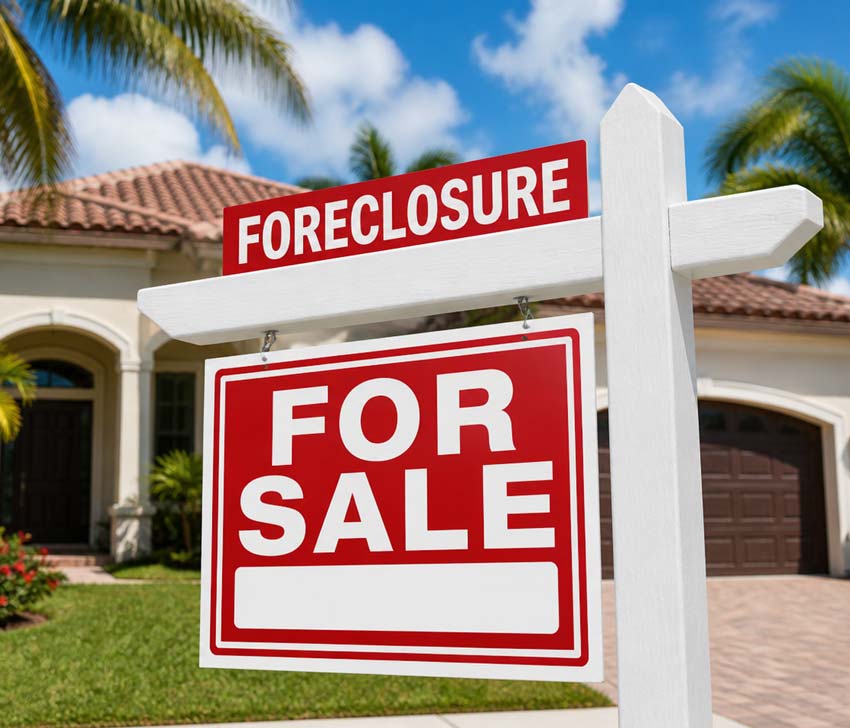
The U.S. housing market continues to show signs of adjustment, and Florida is once again emerging as one of the most impacted states. According to the latest quarterly report from ATTOM, foreclosure activity increased notably in the first quarter of 2026, pointing to growing financial pressure on some homeowners.
The report—released under the leadership of Rob Barber—found that 118,727 properties across the United States had foreclosure filings during the quarter, a 6% increase from the previous quarter and up 26% year over year.
Florida stands out among the states with the highest number of foreclosure starts, recording more than 10,000 cases in just three months. This places the state among the most affected nationwide, alongside Texas and California. Additionally, one in every 750 housing units in Florida had a foreclosure filing, ranking it among the highest foreclosure rates in the country.
Metropolitan areas are also feeling the impact. Cities such as Lakeland and Punta Gorda rank among the areas with the highest foreclosure rates in the nation. Larger markets, including Jacksonville and Orlando, also appear on the list, highlighting that the trend is widespread and not limited to smaller or rural regions.
One of the most concerning indicators is the sharp rise in bank repossessions, known as real estate owned (REO) properties. In Florida, these increased from 487 in the first quarter of 2025 to more than 1,000 during the same period in 2026—more than doubling year over year.
Experts note that while foreclosure volumes remain below the historic peaks seen during the 2008 financial crisis, the consistent increase over recent quarters may signal a gradual market normalization. However, this shift is also being driven by broader economic pressures, including higher interest rates, inflation and rising living costs.

At the same time, the report highlights that the average foreclosure timeline has shortened, suggesting a more efficient process. While this may benefit lenders, it also means homeowners have less time to respond to financial hardship and seek solutions.
In a fast-growing state like Florida—where housing demand remains strong—these trends serve as an important warning sign. They underscore the need for financial planning, access to guidance and policies that support long-term housing stability.
The original report was developed by ATTOM’s research team under the direction of Rob Barber, offering a clear snapshot of a housing market that, while still resilient, is facing new challenges in 2026.