
University of Florida Leads Effort to Protect Crops

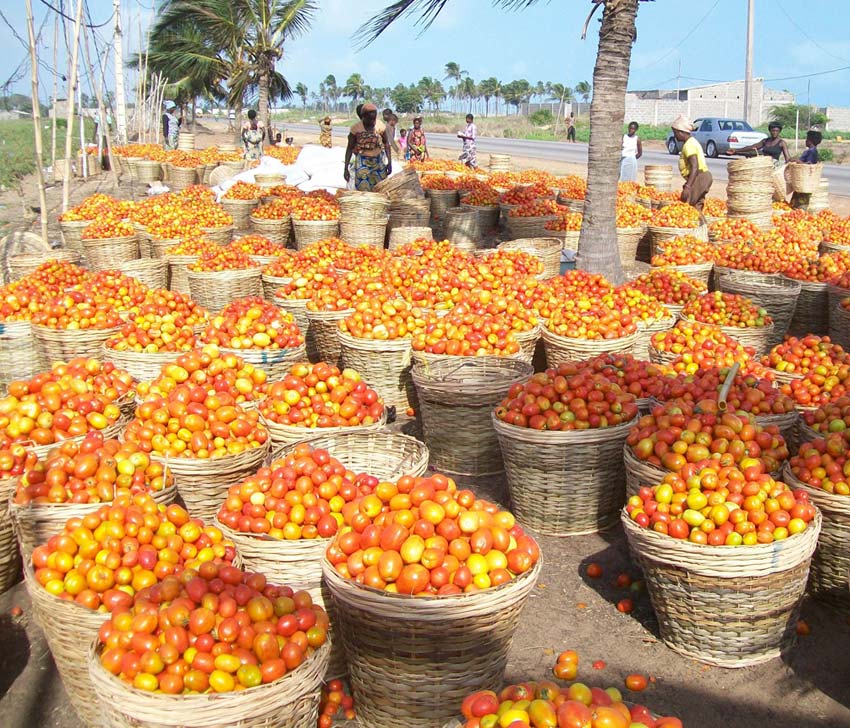
A pest outbreak thousands of miles from Florida can threaten the fruits and vegetables reaching American markets. Detecting those risks before they cross borders will be a central mission of SAFE, a new innovation laboratory led by the University of Florida’s Institute of Food and Agricultural Sciences, known as UF/IFAS.
Funded by the U.S. Department of State, the Feed the Future initiative will focus on protecting high-value crops, including fruits, vegetables and spices. Its approach brings together scientific research, technology and international cooperation to address challenges affecting farmers, food supplies and consumers.
Watching for Threats Across Borders
SAFE will establish an international biosecurity network spanning seven countries: Ethiopia, Guatemala, Honduras, Kenya, Nepal, the Philippines and the Dominican Republic. Working in these locations, researchers will seek to detect and contain pests and diseases where they originate, before they threaten American farms.
Artificial intelligence, diagnostic tools and predictive models will support that effort. The goal is to identify emerging threats earlier and help guide responses that protect harvests.
For Florida’s agricultural communities, the initiative connects local concerns with a global challenge. Protecting crops at home also means understanding and addressing risks developing beyond U.S. borders.
That international perspective will shape the laboratory’s work, bringing partner countries into a shared effort to strengthen agricultural protection. Research, training and collaboration will connect scientific advances with the practical challenges facing growers in participating communities.
From Fields to Family Tables
The laboratory’s mission extends beyond pest surveillance. SAFE will also work to strengthen food security by developing disease-resistant crop varieties and reducing losses after harvest.
Keeping food from spoiling before it reaches the market is another priority. The initiative also aims to improve food safety and nutritional value, connecting agricultural research with the quality of products families bring to their tables.

These goals place the entire journey of a crop within the laboratory’s scope, from protecting plants in the field to preserving the food they produce.
New Opportunities for Small Farmers
SAFE will also pursue new market opportunities for smallholder farmers in partner countries. Training and knowledge sharing will accompany research, helping translate scientific advances into practical tools for agricultural communities.
The approach recognizes that protecting harvests is only part of the challenge. Farmers also need opportunities to bring their products to market and benefit from their work.
With UF/IFAS leading the effort, SAFE aims to build more resilient, sustainable agricultural systems. Its intended benefits reach across borders: stronger crop protection, fewer losses and improved food security for producers and consumers in the United States and participating countries.