A Fall Can Reveal a Greater Health Risk

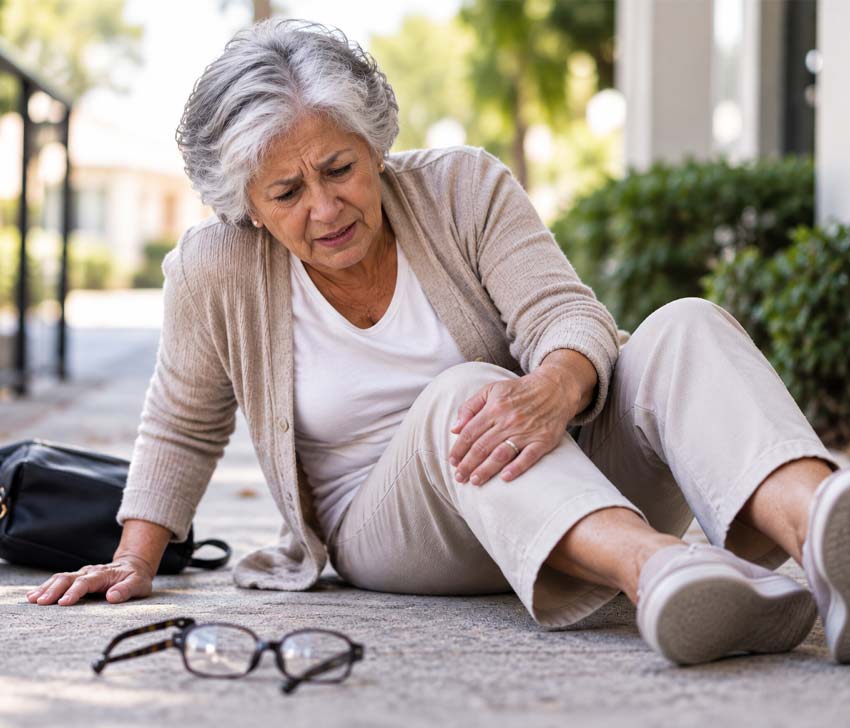
Experts warn that a fracture in older women may be a sign of osteoporosis and an important opportunity to prevent more serious injuries.A fall may seem like an isolated accident, but for older adults, it can be an important warning sign. As Fall Prevention Awareness Week is observed Sept. 21-25, health experts are drawing attention to the connection between falls, fractures and bone health, particularly among older women.
In Florida, 25.5% of adults age 65 and older reported falling within the previous 12 months, according to America’s Health Rankings’ 2026 Senior Report, which uses data from the Centers for Disease Control and Prevention’s Behavioral Risk Factor Surveillance System.
The danger does not end with the first fall. According to the CDC, falling once doubles an older adult’s chances of falling again. About one in 10 falls also results in an injury that causes an older adult to restrict daily activities or seek medical attention.
The consequences can become considerably more serious when falls happen repeatedly. A study published in Innovation in Aging analyzed 89,061 older adults treated for falls and found significant differences among those who experienced another fall within six months.
Among patients with a recurrent fall, 46.2% were admitted to the hospital, compared with 15.8% of those who did not experience another fall. Mortality
was also higher, at 6.2% compared with 3.5%.For women, a fracture following a fall may also signal an underlying bone health problem. Osteoporosis weakens bones and can turn what appears to be a relatively minor fall into a serious medical emergency.
Research has found that postmenopausal women who had both osteoporosis or osteopenia and a history of falling had seven to nine times greater odds of suffering a fracture than women with only one of those risk factors.
Prevention begins with recognizing the warning signs and discussing them with a health care professional. The CDC recommends assessing fall risk, reviewing medications that may cause dizziness or drowsiness, performing exercises that improve leg strength and balance, and receiving osteoporosis screening when appropriate.

Medicare Part B also covers bone mass measurements for people who meet certain eligibility requirements, generally once every 24 months or more frequently when medically necessary.
Beyond physical injuries, falls can affect quality of life. Fear of falling again may lead some older adults to reduce everyday activities, potentially contributing to physical weakness and social isolation.
Identifying bone loss early and addressing fall risks can help older adults and their caregivers take steps to protect mobility, maintain independence and potentially prevent a future fall from becoming a life-changing event.