Miami-Dade Fire Rescue Invites the Community to Learn Life-Saving Skills

As part of National CPR and AED Awareness Week, observed from June 1 through June 7, Miami-Dade Fire Rescue is encouraging South Florida residents to participate in training programs that teach essential skills capable of saving lives during medical emergencies.
The national observance aims to raise awareness about the critical role everyday citizens can play when responding to cardiac emergencies. Health experts note that more than 70 percent of cardiac arrests occur at home or in public places, where family members, friends, coworkers, or bystanders are often the first people available to provide assistance.
When someone experiences cardiac arrest, every second matters. Immediate action through CPR and the use of an Automated External Defibrillator (AED) can significantly improve survival rates before emergency responders arrive.
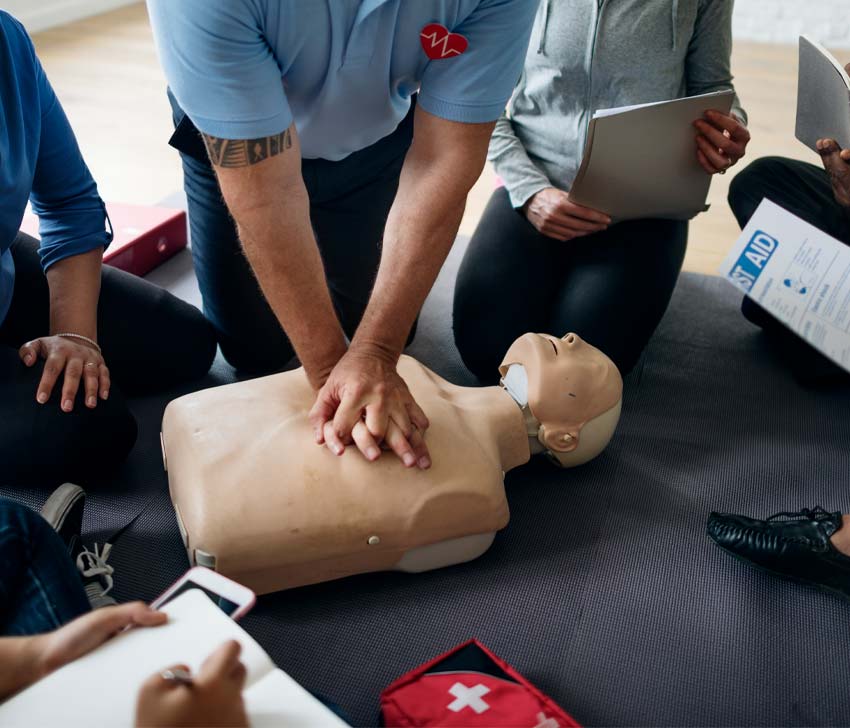
For this reason, medical professionals continue to emphasize the importance of increasing public access to CPR and AED education.Hands-only CPR is one of the simplest and most effective ways to help during a cardiac emergency. The technique involves delivering continuous chest compressions at a rate of 100 to 120 compressions per minute to maintain blood flow until professional medical assistance arrives.
To help residents gain these important skills, Miami-Dade Fire Rescue offers training through its Health Emergency Life Protection (HELP) Program. The two-hour interactive workshop is designed to teach participants how to recognize some of the most common life-threatening emergencies and provide immediate care until trained healthcare professionals take over.
Throughout the course, participants receive hands-on instruction in adult and pediatric CPR, proper AED use, early stroke recognition, bleeding control techniques, and how to respond to airway obstructions in adults, children, and infants. The program combines practical demonstrations with active participation, creating an engaging and informative learning experience for people of all backgrounds.
Officials emphasize that these skills are valuable for parents, teachers, coaches, caregivers, employees, and anyone interested in being prepared to respond during a critical situation. Learning CPR may take only a few hours, but the skills gained could help save a life when it matters most.

Upon completion of the course, participants receive an American Heart Association Family & Friends CPR certificate as well as a Certificate of Course Completion issued by Miami-Dade Fire Rescue. While the training does not provide Basic Life Support (BLS) certification required for certain professions, it offers practical knowledge that can help save lives.
Residents interested in registering for upcoming workshops or scheduling training sessions for groups of 12 or more participants can learn more through the official HELP Program.
For more information, visit www.miamidade.gov