Florida Ranks Among States With Highest Foreclosure Activity

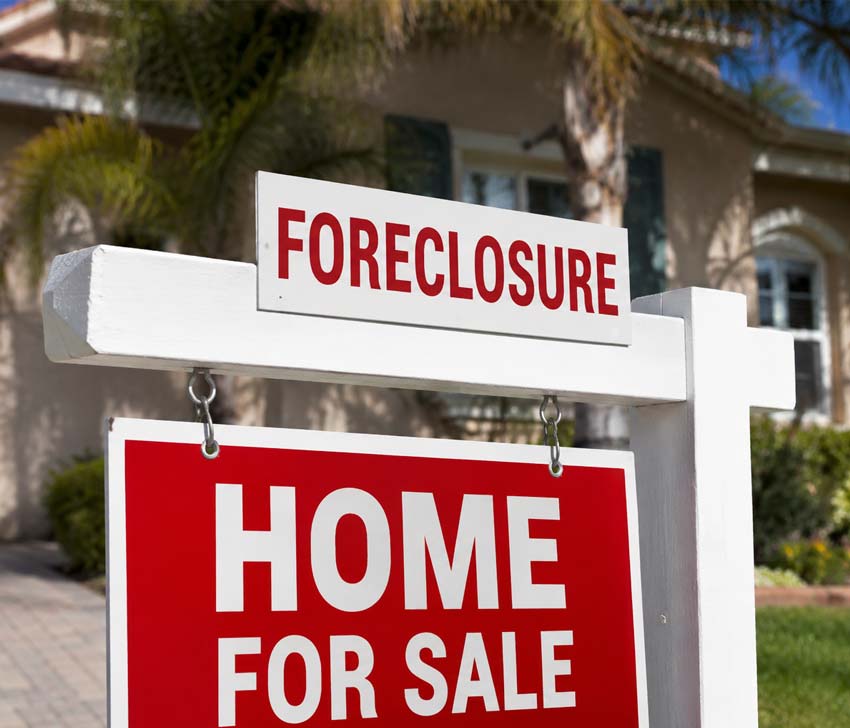
Florida recorded 3,277 new foreclosure starts in July, while auction figures from Miami-Dade and Broward show that South Florida continues to feel pressure in the housing market.
Florida continues to rank among the states most affected by foreclosure activity in the United States, a trend drawing attention as homeowners navigate high housing costs, insurance expenses and other financial pressures.
In July 2026, one in every 2,232 housing units in Florida had a foreclosure filing, giving the state the third-highest foreclosure rate nationwide, behind Nevada and South Carolina, according to ATTOM’s latest U.S. Foreclosure Market Report.
Florida also ranked second nationally for new foreclosure proceedings initiated by lenders. The state recorded 3,277 foreclosure starts during July, just behind Texas, which led the country with 3,306. California followed with 2,540.
Some Florida communities are experiencing particularly elevated levels of activity. Punta Gorda posted the highest foreclosure rate among U.S. metropolitan areas with populations of at least 200,000, with one filing for every 899 housing units. Lakeland also ranked among the five highest, at one in every 1,501 homes.
In South Florida, judicial auction records provide another perspective on local housing distress.
Miami-Dade recorded 216 properties scheduled for foreclosure auction during July. Of those, 122 auctions were canceled, 49 properties were sold to plaintiffs and 45 were purchased by third parties.
These figures represent scheduled foreclosure auctions and should not be interpreted as the number of new foreclosure cases initiated during the month.
Broward County recorded 210 scheduled foreclosure auctions in July. Of those, 124 were canceled, 49 properties were sold to plaintiffs and 37 were purchased by third parties. The total number of scheduled auctions was approximately 21% lower than the 266 recorded in July 2025.

Nationwide, 39,906 properties had some type of foreclosure filing in July, including default notices, scheduled auctions or bank repossessions. That represented a 1% increase from June and a 10% increase compared with July 2025.
Foreclosure starts also increased 10% year over year to 26,648 properties, while completed foreclosures rose more sharply. Lenders repossessed 4,764 properties through completed foreclosures, or REOs, representing a 23% increase from a year earlier.
Despite those increases, the numbers do not currently suggest a return to the foreclosure crisis levels seen during previous housing downturns. ATTOM notes that overall foreclosure activity remains relatively low by historical standards and below pre-pandemic norms.
For Florida, however, the continued year-over-year increase provides another housing indicator worth watching — particularly in South Florida, where the cost of owning and maintaining a home continues to put pressure on household budgets.